If the words yoga retreat make you picture bendy humans doing handstands at sunrise… you’re not alone. And if your next thought is, “That’s not me,” I want you to take a breath.
You don’t need to be flexible to come on a yoga retreat. You don’t need fancy leggings, a perfect downward dog, or a calm mind that never spirals. You just need a body (yep, any body) and a little curiosity about feeling better.
This post is for the woman who’s been thinking about a retreat… but keeps talking herself out of it because she’s not “good at yoga.”
First: Let’s retire the idea of being “good” at yoga
Yoga isn’t a performance. It’s not a sport you win. It’s a practice—like brushing your teeth or learning to cook something new.
When people say they’re “not good at yoga,” they usually mean one of these:
- I’m not flexible
- I don’t know the poses
- I feel awkward in group classes
- My body hurts / I have limitations
- My mind won’t shut off
None of those disqualify you. In fact, they’re often the exact reasons a retreat can be so supportive.
Myth #1: “I need to be flexible before I go”
Flexibility is not the entry requirement. It’s sometimes a side effect.
Most people think flexibility is about “stretching more.” In real life, it’s often about:
- Nervous system state (stress makes bodies feel tighter)
- Breath (holding your breath = holding tension)
- Consistency (tiny doses more often beat occasional big pushes)
- Smart modifications (your body’s structure matters)
Translation: if life has been lifey—work, kids, caregiving, deadlines, hormones, all of it—your body may feel stiff because it’s been protecting you. A retreat gives you time and space to soften, without forcing it.
Myth #2: “Everyone else will be advanced”
Most women who come to a retreat are not advanced yogis. They’re real humans.
They’re often:
- Busy and tired
- Stressed but high-functioning
- Wanting to feel like themselves again
- Craving nature, quiet, and community
- Hoping to move without pressure
A beginner-friendly retreat isn’t about keeping up. It’s about being guided.
Myth #3: “I’ll be embarrassed if I can’t do the poses”
This is the one that keeps so many women stuck.
Here’s the truth: nobody is watching you the way you think they are.
On retreat, the vibe is usually the opposite of a big studio class. It’s smaller, more personal, and more supportive. You’re not a number in the back row. You’re a person, and the teaching can actually meet you where you are.
And if you need a break? You take it. If you need a prop? You use it. If you need to skip something? You skip it.
That’s not “failing.” That’s listening.
What “beginner-friendly” should actually mean
If you’re choosing a retreat and you see “beginner-friendly,” here’s what you want it to include:
- Clear cueing and slower pacing when needed
- Options for different bodies (not one-size-fits-all)
- Permission to rest (not constant intensity)
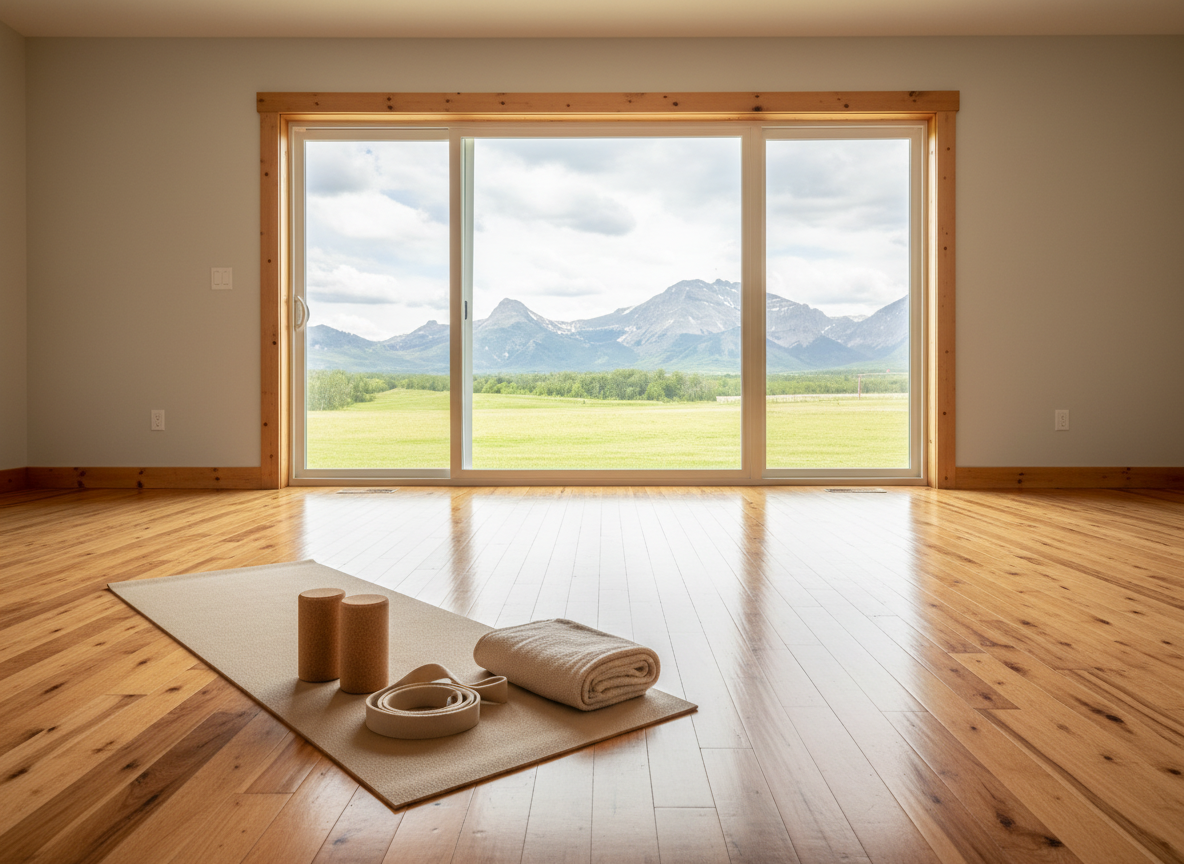
- Props and modifications (blocks, straps, bolsters—your best friends)
- A teacher who doesn’t shame or push
- A focus on how it feels, not how it looks
Bonus points if the retreat also includes nervous system education, breathwork, gentle movement, and time in nature—because those are the things that help your body feel safe enough to change.
“But I have limitations…” (injuries, tight hips, sore knees, older body)
You are still welcome.
A good retreat space makes room for:
- Sensitive knees and wrists
- Tight hips and backs
- Limited range of motion
- Older adults who want strength and mobility without punishment
- People who are rebuilding after burnout, illness, or a hard season
Yoga can be adapted in a million ways. And honestly? Modifications are not a downgrade. They’re the intelligent version.
If you’re unsure, you can always reach out before booking and ask what the movement style is like and whether modifications are available.
What to expect on a beginner-friendly mountain yoga retreat
Every retreat is different, but here’s what a supportive weekend often looks like:
- Flow-style yoga with options (you choose your intensity)
- Gentle mobility and stretching to unwind tight areas
- Breathwork and nervous system regulation (because stress lives in the body)
- Time outside—walks, fresh air, mountains doing their mountain thing
- Simple, nourishing food that doesn’t feel like diet culture
- Rest (actual rest, not “I’m resting but scrolling”)
- Community that feels like exhaling
You don’t have to “transform” in 48 hours. You just get to come back to yourself.
How to know if you’re ready (even if you feel nervous)
You’re ready if:
- You’ve been saying “I need a break” for months
- Your body feels tight, tired, or overstimulated
- You want to move, but you don’t want to be pushed
- You miss feeling grounded
- You want a weekend that’s about you for once
Nervous is normal. Most women feel nervous before their first retreat—especially if they’re coming alone.
But here’s what I hear after, almost every time:
- “I can’t believe I almost didn’t come.”
- “I didn’t realize how much I needed that.”
- “I feel lighter.”
- “I feel like myself again.”
A gentle reminder: yoga is not a flexibility contest
If you can breathe, you can do yoga.
If you can listen to your body, you can do yoga.
If you can show up as you are—stiff, tired, anxious, curious, hopeful—then you’re exactly the kind of woman retreats are made for.
Want to join me in the mountains?
If you’ve been craving a small, intentional weekend away—movement that meets you where you are, simple nourishment, nervous system downshifting, and the kind of calm you can actually take home—my mountain yoga retreats in Alberta might be your next best yes.
Check upcoming retreat dates and details here: https://vitalliving.ca/. Or message me with your questions—I’m happy to help you figure out if it’s the right fit.