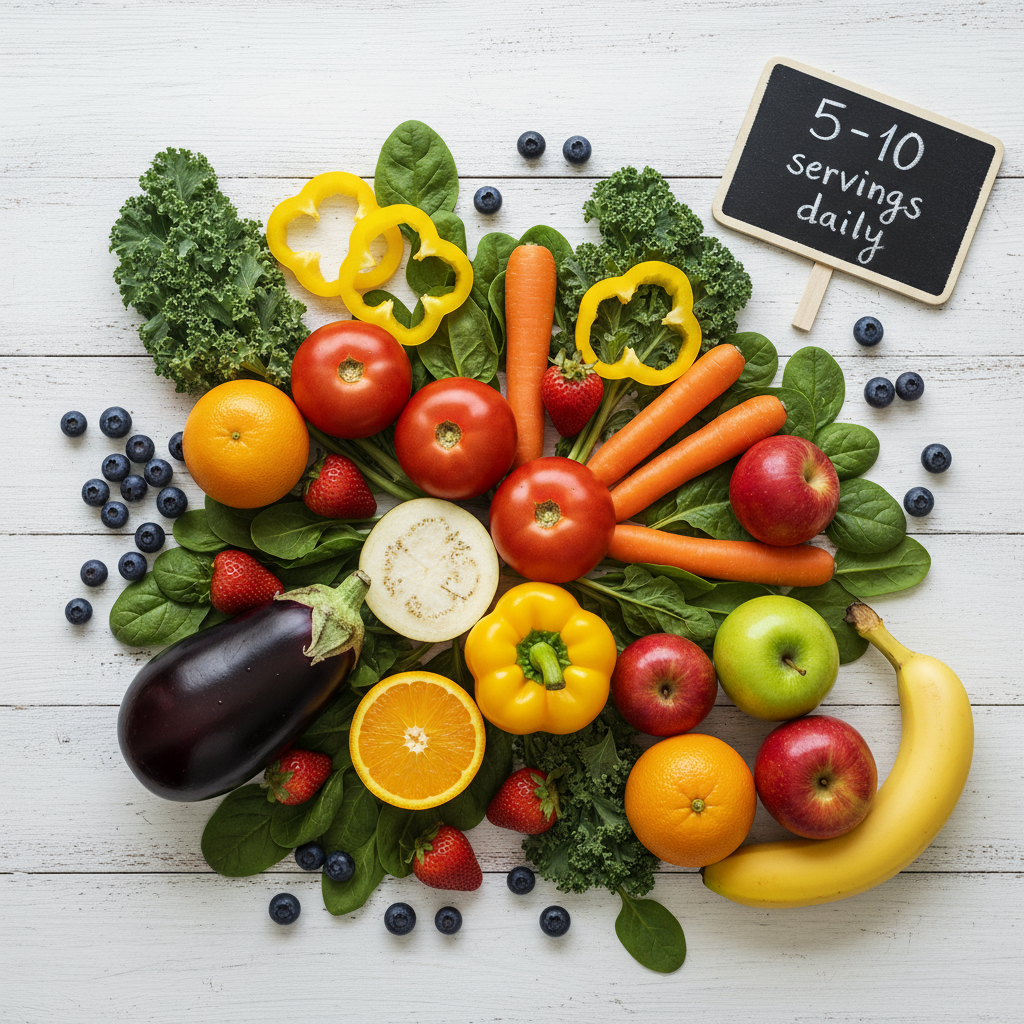
We’ve all heard the advice to “eat more fruits and vegetables,” but what does that actually mean? How much is enough? Let’s dive into what leading health organizations around the world recommend for daily fruit and vegetable intake, and why these colorful foods deserve a starring role on your plate.
The Classic “5 A Day” Rule
The most widely recognized guideline comes from the World Health Organization (WHO), which recommends consuming at least 400 grams (about 5 portions) of fruits and vegetables per day. This recommendation excludes potatoes and other starchy tubers, focusing instead on the nutrient-dense varieties that provide essential vitamins, minerals, and fiber.
But what exactly is a “portion”? Generally, one portion equals about 80 grams, which translates to:
- One medium apple, banana, or orange
- Two small fruits like plums or kiwis
- A handful of berries or grapes
- Three heaping tablespoons of cooked vegetables
- A side salad
- Half a cup of cooked beans or legumes
Going Beyond: More Recent Recommendations
While “5 a day” has been the gold standard for decades, emerging research suggests that more might be better. A comprehensive study published in the International Journal of Epidemiology analyzed data from millions of people and found that 10 portions per day (approximately 800 grams) was associated with the greatest reduction in disease risk.
The research showed that eating 10 portions daily was linked to:
- 24% reduced risk of heart disease
- 33% reduced risk of stroke
- 28% reduced risk of cardiovascular disease
- 13% reduced risk of cancer
- 31% reduction in premature death
What Different Countries Recommend
Interestingly, recommendations vary slightly by country, reflecting different dietary cultures and research interpretations:
United States: The USDA’s MyPlate guidelines suggest that fruits and vegetables should fill half your plate at each meal. For adults, this typically translates to 1.5-2 cups of fruit and 2-3 cups of vegetables daily, depending on age, sex, and activity level.
United Kingdom: The NHS promotes the “5 A Day” campaign, aligning with WHO recommendations of at least five 80-gram portions daily.
Australia: The Australian Dietary Guidelines recommend “2 and 5” – two serves of fruit and five serves of vegetables each day for adults.
Canada: Canada’s Food Guide emphasizes making vegetables and fruits half of every meal, without specifying exact portions, focusing instead on variety and color.
Why Vegetables and Fruits Matter
These recommendations aren’t arbitrary numbers – they’re based on extensive research showing the profound impact of plant foods on our health. Here’s why these colorful foods are so crucial:
Nutrient Density: Fruits and vegetables are packed with vitamins, minerals, and antioxidants that support every system in your body. Vitamin C boosts immunity, folate supports cell growth, potassium regulates blood pressure, and vitamin A maintains healthy vision.
Fiber Power: Plant foods are our primary source of dietary fiber, which aids digestion, feeds beneficial gut bacteria, helps control blood sugar levels, and keeps us feeling satisfied longer.
Disease Prevention: Regular consumption of fruits and vegetables has been consistently linked to lower rates of heart disease, stroke, type 2 diabetes, certain cancers, and obesity.
Phytonutrients: These plant compounds – like lycopene in tomatoes, anthocyanins in berries, and sulforaphane in broccoli – have powerful anti-inflammatory and antioxidant properties that protect our cells from damage.
Making It Practical: Meeting Your Daily Goals
If you’re currently nowhere near these recommendations, don’t worry. Small, consistent changes add up. Here are some realistic strategies:
Start Your Day Right: Add berries to your breakfast cereal, blend spinach into a morning smoothie, or enjoy sliced tomatoes with your eggs.
Snack Smart: Keep cut vegetables with hummus, apple slices with nut butter, or a fruit bowl visible and accessible.
Bulk Up Meals: Add extra vegetables to soups, stews, pasta sauces, and stir-fries. You can easily double or triple the vegetable content of most recipes.
Rainbow Approach: Aim for variety in color throughout the week. Different colors indicate different nutrients – orange for beta-carotene, red for lycopene, green for chlorophyll and folate, purple for anthocyanins.
Frozen Counts Too: Don’t overlook frozen fruits and vegetables. They’re picked at peak ripeness, often more affordable, and just as nutritious as fresh options.
The Bottom Line
While the minimum recommendation from most health organizations sits at around 5 portions (400 grams) of fruits and vegetables daily, aiming higher – toward 7-10 portions – may offer additional health benefits. The key is consistency and variety.
Remember, these are guidelines, not rigid rules. Any increase in your fruit and vegetable intake is a step in the right direction. Whether you’re starting at one portion per day or already hitting five, there’s always room to add more plant power to your plate.
Your body will thank you with increased energy, better digestion, stronger immunity, and long-term protection against chronic diseases. So next time you’re planning a meal, ask yourself: “How can I add more color to this plate?” Your future self will be grateful you did.
Start small, stay consistent, and watch as these nutrient-packed foods transform your health from the inside out.