
Packing for a yoga retreat sounds simple until the suitcase is open and your brain starts asking every question at once. Do I need my own mat? How many yoga outfits? What if it is cold in the morning? What do people wear between sessions? Should I bring snacks, a journal, hiking shoes, slippers, a fancy dinner outfit, three sweaters, or the entire contents of my bathroom cabinet just in case?
If you are preparing for a weekend yoga retreat in Alberta, especially one in the mountains or foothills, the best packing strategy is comfort, layers, and simplicity. You do not need to pack like you are leaving civilization for a month. You also do not want to arrive with only leggings and a light hoodie when the October air decides to be very Alberta about things.
This guide will help you pack for a two- or three-day retreat without overthinking it. Whether you are coming to a fall retreat at Gladstone Mountain Ranch, planning your first wellness weekend, or comparing yoga retreats in Alberta, think of this as your calm, practical checklist.
Start with the retreat setting
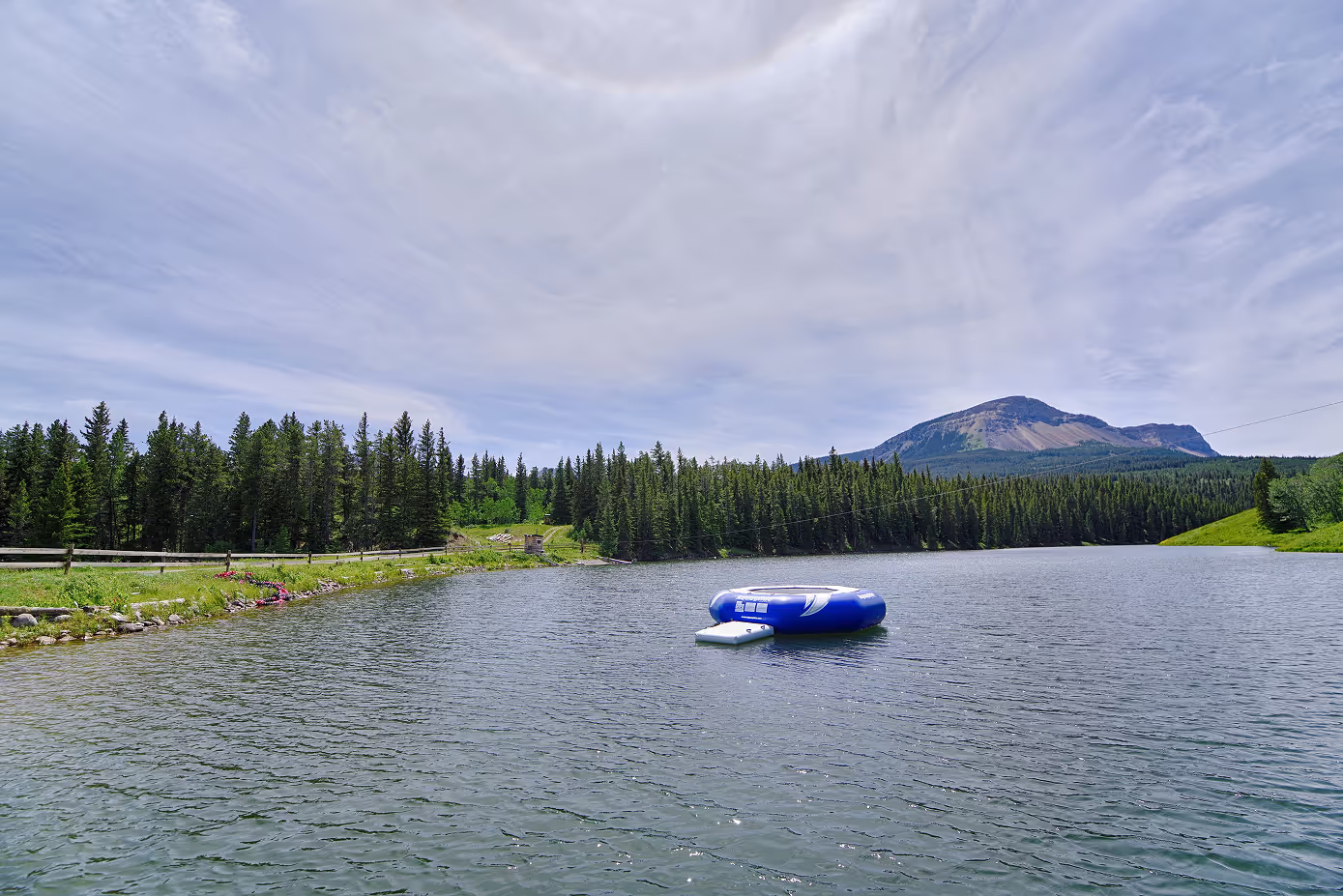
The location matters. A downtown hotel retreat, a lakeside cabin retreat, and a mountain ranch retreat all ask for slightly different packing choices. In Alberta, weather can shift quickly, and mornings can feel cool even when afternoons are bright and comfortable. If your retreat includes time outside, mountain views, walking paths, a lake, a lodge, or outdoor reflection time, layers become your best friend.
For a weekend retreat, aim for clothing that moves easily, keeps you warm when needed, and does not require fussing. You want to feel like yourself, not like you are managing an outfit schedule. Retreat time is meant to lower the noise, not add new decisions.
Before you pack, check three things: the retreat itinerary, the sleeping setup, and the weather forecast. If the program includes yoga, Pilates, outdoor walks, shared meals, journaling, and free time, you can pack around those categories. If bedding and towels are provided, you can leave bulkier items at home. If the forecast says cool mornings, windy afternoons, or possible rain, adjust your layers instead of panicking at the last minute.
Yoga and movement clothing
For most weekend yoga retreats, two or three movement outfits are enough. You may have a Friday evening arrival practice, Saturday morning and afternoon sessions, and a Sunday morning closing practice. If the retreat includes Pilates or a more active class, bring at least one outfit that feels supportive for movement and one that feels soft and relaxed for slower yoga.
- Two or three pairs of leggings, yoga pants, or comfortable movement pants
- Two or three breathable tops or tanks
- One long-sleeve layer for cooler practices
- Sports bras or supportive underlayers
- Warm socks for slower practices or lounging
- A soft sweater or wrap for meditation, yin, or evening sessions
You do not need brand-new retreat outfits. Truly. Bring what makes you feel comfortable in your body. A retreat is not a performance space, and nobody is checking whether your leggings match your water bottle. Choose pieces that let you sit, stretch, breathe, bend, walk, and relax without constant adjusting.
If you run cold, pack more warmth than you think you need. Quiet practices, meditation, and restorative yoga can make the body cool down, especially in fall. A cozy layer can be the difference between settling deeply and spending the whole session thinking about your shoulders being chilly.
Comfortable clothes for between sessions
Between yoga practices, you will likely want clothing that feels relaxed but still suitable for shared spaces. Think soft pants, a warm sweater, a casual shirt, and socks or slippers. Retreats often include meals, conversation, tea, journaling, and quiet time in common areas, so pack pieces that help you feel at ease.
- One pair of comfortable lounge pants or joggers
- One or two casual tops
- A warm cardigan, fleece, or sweater
- Sleepwear
- Undergarments and socks for each day, plus one extra pair
- Optional slippers or indoor shoes
For most Alberta wellness retreats, you can leave dressy clothing at home unless the host specifically says otherwise. A clean sweater and comfortable pants are usually enough for dinner. The goal is not to impress anyone. The goal is to feel grounded, cared for, and present.
Outdoor layers for Alberta weather
If your retreat is in Southern Alberta, the foothills, or near the mountains, outdoor layers matter. Even a short walk can feel very different depending on wind, elevation, cloud cover, and time of day. October can be crisp and beautiful, but it is rarely predictable.
- A warm jacket or insulated layer
- A rain shell or windbreaker
- Comfortable walking shoes or light hiking shoes
- A toque or warm hat for cool mornings
- Light gloves if you get cold easily
- Sunglasses
- A small day bag if you want to carry water, phone, or journal outside
You do not need heavy hiking gear unless your retreat includes a true hike. But you do want shoes that can handle gravel, grass, dirt paths, or damp ground. If you are attending a ranch or lodge-style retreat, practical footwear is more useful than anything delicate.
One little packing note that saves trouble: bring a bag for dirty shoes or damp clothing. It takes almost no space and keeps the rest of your suitcase from becoming an earthy little souvenir collection.
Yoga mat and practice props
Some retreats provide mats and props, while others ask guests to bring their own. If you are unsure, check the retreat details or ask the host before packing. Bringing your own mat can feel familiar and hygienic, especially if you already have one you like. But if you are travelling light and the host provides equipment, you may not need to bring everything.
- Yoga mat, if required or preferred
- One yoga block, if you use one regularly
- Yoga strap or belt
- Small blanket or shawl for slower practices
- Eye pillow, if it helps you rest
For beginners, props are not a sign that you are doing anything wrong. They are tools that make the practice meet your body. A block can bring the floor closer. A blanket can support your knees, hips, or shoulders. A strap can make stretches accessible without strain. If a retreat is truly beginner-friendly, props are part of the welcome, not an afterthought.
Personal care items
Keep personal care simple and familiar. A retreat is not usually the best time to test three new skincare products, a new supplement, and shoes that still need breaking in. Bring what helps you feel clean, comfortable, and cared for.
- Toothbrush and toothpaste
- Face wash, moisturizer, and basic skincare
- Deodorant
- Hairbrush, hair ties, or clips
- Any required medication
- Menstrual products, even if you are not expecting to need them
- Lip balm and hand cream, especially in dry Alberta air
- Sunscreen for outdoor time
- Small first-aid basics such as bandages or blister care
If you are sensitive to scents, bring your own gentle products. Shared retreat spaces often feel better when everyone keeps fragrance light. A little consideration goes a long way when people are practicing, resting, and sleeping near one another.
Journal, book, and quiet-time items
A weekend yoga retreat often opens up more mental space than you expect. Thoughts arrive. Feelings settle. Ideas surface. You may want somewhere to put them. A journal is one of the most useful things you can bring, even if you are not usually a journal person.
- Journal or notebook
- Pen
- A book that feels calming rather than demanding
- Headphones, if you like quiet music during travel or downtime
- A small personal item that helps you feel grounded
Try not to pack work. This is harder than it sounds. The laptop whispers from across the room. The inbox says it will only take five minutes. But the whole point of retreat is to experience a different rhythm. If you absolutely must bring work for travel reasons, set a clear boundary before you arrive. Otherwise, let the weekend be what it is meant to be.
Water bottle and snacks
Most retreats provide meals, but it is still wise to bring a water bottle and a few simple snacks. Travel days can be unpredictable, and your body may want something small between meals, especially if you are moving more than usual or spending time outside.
- Reusable water bottle
- Electrolytes, if you use them
- Protein bar, nuts, fruit, or another easy snack
- Tea bags, if you have a favourite calming tea
If the retreat asks for dietary information ahead of time, answer clearly and early. Hosts can support guests much better when they know what is needed before the weekend begins. If you have a serious allergy or medical dietary requirement, communicate directly rather than assuming it will be obvious.
What not to overpack
It is tempting to bring too much when you are entering a new experience. Overpacking can feel like control. But a lighter bag often supports a lighter weekend. You probably do not need five pairs of shoes, a full makeup kit, multiple formal outfits, every supplement you own, or a stack of books you secretly know you will not read.
You also do not need to bring a different version of yourself. You do not need to arrive calmer than you are. You do not need to be perfectly flexible, deeply spiritual, or already rested. Pack the practical things, yes, but let yourself arrive human. That is usually where the real retreat begins.
A simple weekend packing checklist
If you like one clean list, start here:
- Two or three yoga/movement outfits
- Warm layers for morning and evening
- Comfortable clothes for meals and downtime
- Sleepwear, socks, and undergarments
- Walking shoes or light hiking shoes
- Weather layer such as rain jacket or windbreaker
- Yoga mat and props, if needed
- Water bottle
- Toiletries and medications
- Journal and pen
- Phone charger
- Small snacks
- Slippers or cozy socks
- Bag for laundry or damp items
That is enough for most weekend retreats. If your host sends a specific packing list, follow that first. Otherwise, this list will cover the practical basics without turning your suitcase into a portable closet.
Packing emotionally for your first retreat
There is another kind of packing that matters too. If this is your first retreat, you may be bringing nerves, questions, excitement, awkwardness, hope, and a little uncertainty. That is normal. Many people wonder whether they will fit in, whether they will know what to do, or whether everyone else will be more experienced.
A welcoming retreat should not make you feel like you have to prove anything. You can take breaks. You can modify. You can ask questions. You can be quiet. You can connect. You can let the weekend meet you exactly where you are.
For many women, the hardest thing to pack is permission. Permission to rest. Permission to spend money on care. Permission to be away from home. Permission to let someone else hold the structure for a few days. If that feels tender, you are not alone. It is one of the reasons retreat spaces can feel so powerful.
Packing for the October Gladstone Mountain Ranch retreat
For Into the Wild: Home to Yourself at Gladstone Mountain Ranch, October 2 to 4, 2026, think cozy, practical, and grounded. Pack movement clothes for yoga and Pilates, layers for cool mountain air, comfortable shoes for outdoor time, and soft clothes for relaxing at the lodge.
This retreat is about rest, renewal, and celebration. You do not need to arrive polished. You need clothes you can move in, layers you can breathe in, and a willingness to step out of your usual pace for one weekend.
Final thought
The best-packed retreat bag is not the biggest one. It is the one that supports the weekend you actually want to have: warm enough, comfortable enough, simple enough, and free from the pressure to be someone else.
Bring what helps your body feel safe and cared for. Leave a little room for quiet. Leave a little room for surprise. And if you are joining us in Alberta this fall, bring layers. The mountains like to keep things interesting.