
If you are comparing yoga retreats in Alberta, the most useful question is not simply, “Which retreat has the prettiest photos?” A retreat can look beautiful online and still be the wrong fit for your body, budget, travel plans, or expectations. The right retreat is the one whose location, teaching style, daily rhythm, accommodations, meals, and level of support match what you actually need.
This practical guide explains what to compare before you book an Alberta yoga retreat. It is written for first-time and experienced retreat guests, including people travelling alone, beginners, and anyone deciding between a quiet weekend reset and a more active wellness experience.
The quick answer: how to choose a yoga retreat in Alberta
Before paying a deposit, confirm these eight points:
- Purpose: Do you want rest, stronger physical practice, time in nature, personal reflection, community, or a combination?
- Teaching level: Are classes truly suitable for beginners, and are modifications offered?
- Schedule: Is there enough unscheduled time, or is every hour programmed?
- Accommodation: Is the price based on a private room, a shared room, or a bed in a larger room?
- Meals: Which meals and snacks are included, and can the host safely manage your dietary needs?
- Travel: Can you reach the venue comfortably in the season, and do you need winter-ready transportation?
- Total cost: Are taxes, accommodation, meals, workshops, equipment, and optional activities included?
- Policies: What happens if you cancel, the host cancels, or weather affects travel?
If any of these answers are unclear, contact the host before booking. A thoughtful organizer should be able to explain the experience without making exaggerated promises.
What does “yoga retreat” actually mean?
The term yoga retreat is used for many different experiences. One event may centre on several hours of asana practice each day. Another may combine gentle yoga with Pilates, walking, workshops, nourishing meals, journaling, sauna time, or quiet rest. Some retreats are held at dedicated wellness centres; others take place at ranches, lodges, cabins, or mountain properties.
None of these formats is automatically better. The important issue is whether the event description is specific. Look for a real schedule, named facilitators, clear inclusions, room details, and an honest explanation of who the retreat is for. Words such as “reset,” “healing,” and “transformation” can describe an intention, but they should not replace practical information.
How yoga retreats in Alberta differ by location
Yoga retreats in Alberta are offered in several distinct settings. Think about the experience you want outside the yoga room as well as the classes themselves.
Rocky Mountain destinations
Banff, Canmore, Jasper, Kananaskis, and nearby mountain areas offer dramatic scenery and access to well-known tourism infrastructure. These locations can be a good fit if mountain sightseeing is central to your trip or if you want to combine a retreat with a longer Alberta holiday. Popular destinations may also mean busier roads, higher accommodation costs, paid parking, or more visitors during peak periods.
Southern Alberta and the foothills
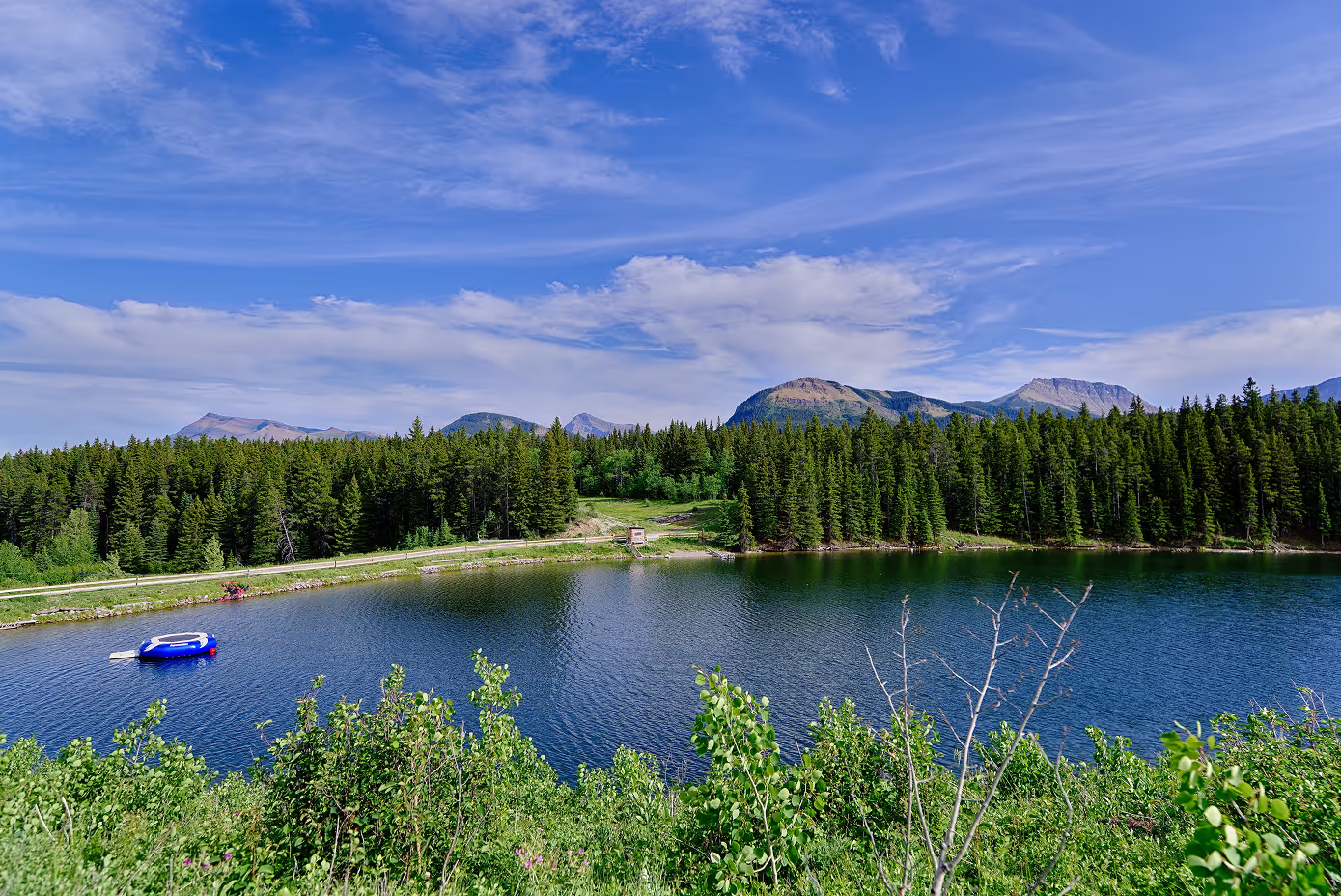
The foothills and mountain-edge communities of Southern Alberta offer a different rhythm: wide views, ranch country, prairie-to-mountain landscapes, and quieter properties that can still be reached by road from Calgary or Lethbridge. This setting works especially well for guests who want nature and space without building their entire weekend around a busy resort town. Read more about choosing a yoga retreat near Calgary in Southern Alberta.
Central and Northern Alberta
Wooded properties, lakeside venues, and rural retreat centres in Central and Northern Alberta may suit guests travelling from Edmonton, Red Deer, or surrounding communities. Compare drive time and road conditions carefully; a location that is convenient for one part of the province may require a long trip from another.
For destination planning beyond the retreat itself, Travel Alberta provides regional travel information. Always use the venue’s own directions for the final part of your journey, because rural mapping apps do not always identify the correct entrance.
Compare yoga retreats in Alberta by format and pace
A Friday-to-Sunday retreat can provide a meaningful break without requiring a full week away, but duration alone does not tell you how restorative the experience will feel. A three-day event with six tightly packed sessions, late evenings, and no free time may feel more demanding than a longer retreat with a spacious schedule.
Look for a rhythm that alternates activity and recovery. A balanced weekend might include an arrival practice on Friday, morning movement, a workshop, outdoor or unstructured time, an evening restorative session, shared meals, and a gentle closing practice. Our detailed guide explains why a three-day yoga retreat can be enough to interrupt a busy routine without claiming that one weekend solves every source of stress.
How to read a retreat schedule
A useful schedule should tell you more than the start and finish times. Check the type, intensity, and approximate length of each session. If the event includes optional activities, find out whether choosing rest is genuinely acceptable or whether guests are expected to attend everything.
| Schedule detail | What to ask | Why it matters |
|---|---|---|
| Morning practice | Gentle, flow-based, heated, or vigorous? | Helps you judge physical demand before breakfast. |
| Workshops | Educational, reflective, creative, or therapeutic? | Clarifies the facilitator’s role and your level of participation. |
| Free time | How much is protected and what is available? | Rest requires actual room in the schedule. |
| Evening program | What time does it end? | Important if sleep is one of your priorities. |
| Outdoor activities | Optional? What fitness level and equipment are required? | Alberta terrain and weather can change the level of effort. |
Are beginners welcome in practice, not just in the description?
“All levels welcome” should mean more than allowing a beginner to register. Ask whether teachers demonstrate alternatives, whether props are available, and whether participation is optional. A beginner-friendly retreat does not require you to know pose names, be flexible, or keep up with the most experienced person in the room.
If you have an injury, disability, chronic condition, pregnancy, or a recent procedure, contact the host before booking and consult an appropriate health professional when needed. A yoga teacher can offer movement options within their training, but a retreat is not a substitute for medical or mental-health care.
Check the teachers and facilitators
Read the biographies of the people leading yoga, Pilates, breathwork, counselling, nutrition, massage, or other specialized sessions. Relevant education, certifications, experience, and professional scope should be stated clearly. It is reasonable to ask who will be present throughout the weekend, who leads each component, and what happens if a scheduled facilitator becomes unavailable.
Good facilitation also includes boundaries. You should not be pressured to share personal information, participate in touch, disclose trauma, or complete an activity that feels wrong for you. Consent and choice matter in group wellness settings.
Private room or shared room?
At yoga retreats in Alberta, your room choice affects price, privacy, sleep, and social energy. A private room may be worth the extra cost if you sleep lightly, need quiet to regulate your energy, have a medical device, or want true downtime between group activities. Shared accommodation can reduce the price and feel companionable, especially when attending with a friend.
Before choosing a shared room, ask how roommates are assigned, whether beds are separate, whether the bathroom is private or shared, and what happens if no suitable roommate is available. Our private versus shared retreat room guide provides a complete decision checklist.
Understand meals and dietary accommodations
“Meals included” can mean anything from two brunches and one dinner to every meal, snack, and beverage. Ask exactly what is served from arrival through departure. If you have a food allergy, celiac disease, a medical diet, or a strong dietary restriction, describe it before paying and ask whether the kitchen can manage cross-contact safely.
A host may be able to accommodate preferences such as vegetarian eating while being unable to guarantee an allergen-free environment. That distinction should be discussed clearly. Bring any essential emergency medication and follow your established health plan.
Compare the true cost of yoga retreats in Alberta
When comparing yoga retreats in Alberta, do not use the headline price until you know what is included. Build a simple total that covers the retreat package, tax, transportation, optional treatments, equipment rental, travel insurance, and any meals outside the program.
| Cost area | Confirm before booking |
|---|---|
| Accommodation | Number of nights, room type, bathroom arrangement, linens, and cleaning fees |
| Food | Exact meals, snacks, beverages, and dietary surcharges |
| Program | Yoga, workshops, sauna, excursions, supplies, and treatments |
| Travel | Fuel, parking, shuttle, flights, rental vehicle, or winter equipment |
| Taxes and fees | Whether GST and processing fees are included in the displayed price |
| Cancellation | Non-refundable amount, deadline schedule, transfer options, and host cancellation terms |
A lower-cost retreat is not automatically better value, and a more expensive retreat is not automatically more supportive. Compare the full experience and the size of the group. A small retreat with meals, accommodations, experienced facilitators, and personal communication may deliver more value than a larger event with many paid add-ons.
What is the best season for yoga retreats in Alberta?
There is no single best season. Each part of the year changes the travel requirements and the atmosphere.
- Spring: Longer daylight and a sense of renewal, with the possibility of mud, snow, rain, and rapidly changing temperatures.
- Summer: Warm-weather activities and long evenings, alongside busier destinations, heat, wildfire smoke risk, and higher tourism demand.
- Autumn: Cooler air, quieter properties, and a natural transition into slower routines. Pack layers and prepare for early snow at elevation.
- Winter: A cosy indoor retreat atmosphere and snowy scenery, with more demanding driving conditions and shorter daylight.
Ask how the venue and organizer adapt outdoor activities when weather, air quality, or road conditions change. The host should have an indoor plan rather than treating every advertised outdoor activity as guaranteed.
Plan your Alberta retreat travel safely
Confirm the exact address, check-in window, parking arrangements, and the final stretch of road before departure. Rural venues may have limited cell service, unpaved access, wildlife, or gates that require specific instructions. Download directions in advance and share your itinerary with someone at home.
Check the Alberta road report and local forecast close to departure. Carry season-appropriate clothing, water, necessary medication, and basic vehicle supplies. If you are uncomfortable with the drive, ask whether other guests are carpooling or whether the host recommends a shuttle or meeting point.
Can you attend a retreat alone?
Yes. Many guests arrive alone, but the social structure differs from one retreat to another. Ask how meals are seated, whether introductions are facilitated, how much sharing is expected, and whether there are quiet places to step away. A welcoming retreat creates opportunities for connection without forcing constant group interaction.
If you feel nervous, tell the host that this is your first retreat or first solo trip. Their response can reveal a great deal. Clear arrival instructions and warm, practical communication before the weekend often matter more than elaborate promises.
Green flags and red flags when booking
Green flags
- Named, qualified facilitators
- A clear sample schedule
- Specific room and meal details
- Written cancellation terms
- Accessibility and dietary questions welcomed
- Choice and consent built into activities
- Real guest reviews with context
- Secure online payment and confirmation
Red flags
- Guaranteed healing or medical outcomes
- No clear venue or facilitator information
- Pressure to book immediately without policies
- Hidden mandatory costs
- Vague accommodation descriptions
- No process for allergies or emergencies
- Pressure to disclose or participate
- Payment requested through an unverifiable channel
Questions to send the host before you book
- What yoga styles and class levels are included?
- Can every session be modified, and may I opt out?
- How many guests will attend?
- Who leads each workshop, and what are their qualifications?
- What exactly is included from check-in to check-out?
- What are the beds, bathrooms, and roommate arrangements?
- Can you accommodate my dietary or accessibility needs?
- What should I bring, and which equipment is supplied?
- What is the cancellation and transfer policy?
- What is the backup plan for weather or facilitator changes?
Once you book, use this detailed Alberta weekend yoga retreat packing list to prepare without overpacking.
A Southern Alberta retreat designed for a grounded weekend
Vital Living’s Alberta retreats are designed for guests who want movement without performance pressure, meaningful connection without forced intensity, and enough open space to rest. Programs combine yoga, Pilates or mobility, nourishing meals, workshops, reflection, and time in nature. Beginners are welcome, and guests can communicate dietary, mobility, and accommodation needs before arrival.
The upcoming Into the Wild retreat at Gladstone Mountain Ranch takes place October 2-4, 2026 in Southern Alberta. Review the complete schedule, inclusions, facilitators, room choices, and remaining availability on the retreat page.
Frequently asked questions
Do I need yoga experience to attend an Alberta retreat?
Not always. Many retreats welcome beginners, but confirm the teaching style and physical demand. “All levels” should include modifications, props, clear instruction, and permission to rest.
Are Alberta yoga retreats all-inclusive?
No. Some include accommodation, meals, classes, workshops, and activities; others include only programming. Read the inclusions and calculate taxes, transportation, and optional services before comparing prices.
How long should my first yoga retreat be?
A two-night weekend is approachable for many first-time guests because it offers a complete experience without requiring a long absence from home. The schedule and pace matter as much as the number of nights.
What should I wear to an Alberta yoga retreat?
Bring comfortable movement clothing plus season-appropriate layers for outdoor time. Mountain and foothill temperatures can shift quickly. The host should tell you whether mats, props, towels, robes, or specialized outdoor equipment are supplied.
How early should I reserve a private room?
Private rooms are often the most limited accommodation type, so reserve once you have reviewed the policies and confirmed the retreat is a good fit. Do not let urgency replace careful decision-making.
Choose the retreat that fits your real life
The best yoga retreats in Alberta are not defined by one location, one style, or one promise. They are defined by fit: transparent information, skilled facilitation, a schedule that supports the stated purpose, and practical care for the people attending.
Start with what you need from the weekend. Then compare the program, room, meals, travel, price, qualifications, and policies. When those pieces are clear, you can book with confidence and arrive ready to experience the retreat rather than worrying about surprises.